
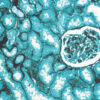
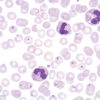
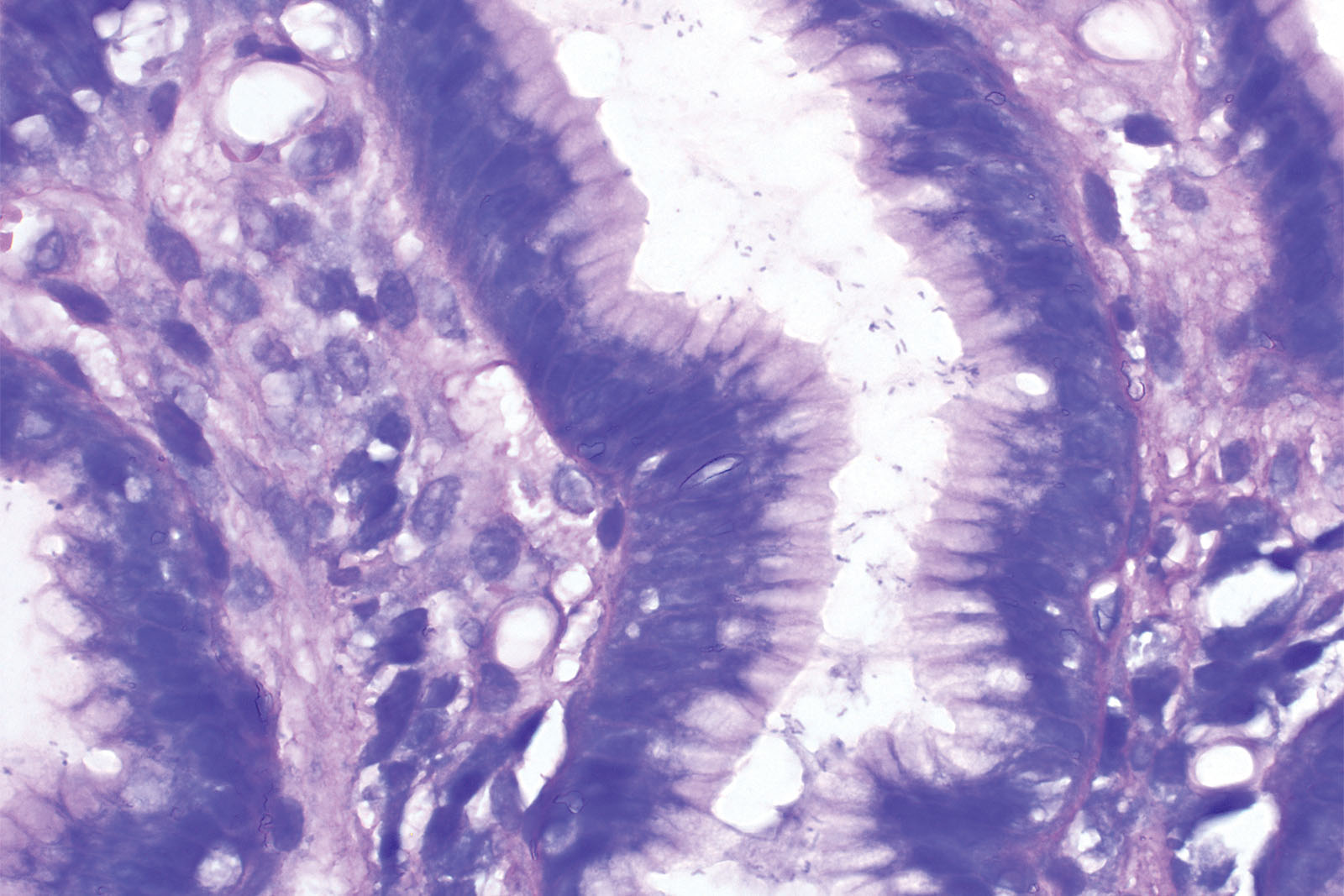
Polychromatic Romanowsky dyes are a standard in haematology of blood smears and bone marrow. Giemsa is one of the Romanowsky dyes and beside haematology, it can be used in histology for visualisation of Helicobacter pylori in gastroscopic samples of the stomach. This staining method is also known as slow Giemsa staining according to Lennart. Giemsa solution may also be used to identify blood parasites, inclusion bodies and mastocytes in histology sections. Giemsa HP kit for 100 tests contains reagents for differentiation and rehydration in Ready-to-Use jars, enabling the sections to be directly immersed during the staining procedure. The jars are closed after the use, and reagents can be reused.
Giemsa HP kit
Four-reagent kit for staining Helicobacter pylori in gastroscopic sections according to Lennart. Advantages of this method for detecting H. pylori are sensitive and reproducible results and easy performance.
Description
Additional information
| Size | |
|---|---|
| Brand | |
| Stain pack | |
| Stain Category | Fungi, Bacteria and Parasites |
Downloads
Related products
Stain Kits
Eosin-Nigrosin Vital
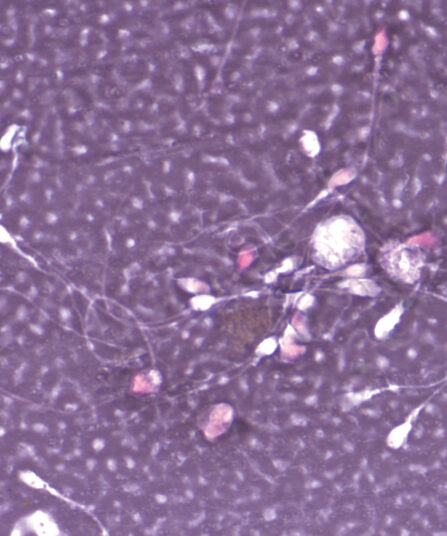
Fast detection (one-step detection) of sperm vitality and visualisation of dead and living sperm cells with one reagent. A simple, easy and fast method for semen analysis.

Stain Kits
Bio-Diff kit 3 x 500ml
Three-reagent kit that contains fi xative agent, red and blue components for fast and effective staining. Each kit contains buffer tablets for consistent staining results.
Stain Kits
H.B.F.P. kit
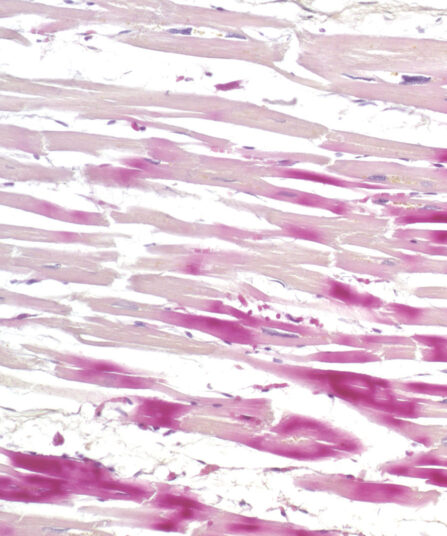
Three-reagent Hematoxylin-Basic Fuchsin-Picric acid staining kit for detection of cardiac muscle changes after ischemia or myocardial infarction. H.B.F.P. kit is a non-enzymatic histochemical technique for detection of early myocardial ischemia with vivid contrast.
Stain Kits
Elastica-Van Gieson kit
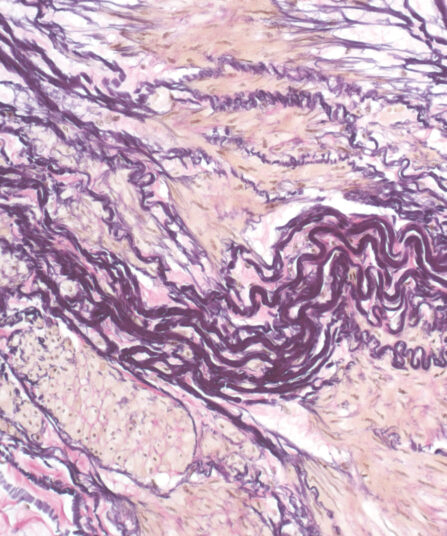
Four-reagent kit for staining elastic fibres and differentiation between elastic tissue, collagen and other types of connective tissue. The rapid method enables a satisfactory result with shorter section staining time.
Stain Kits
Alcian Yellow Toluidine Blue kit
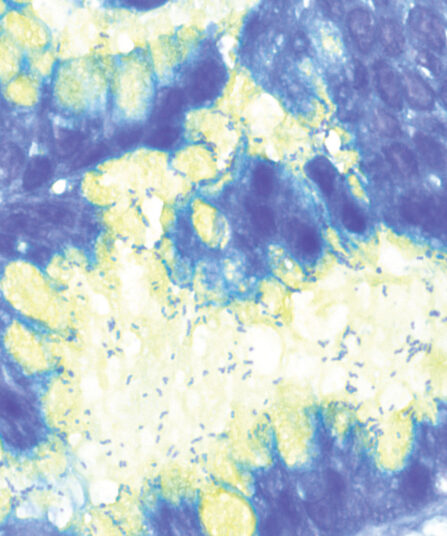
Six-reagent kit for staining Helicobacter pylori in gastric tissue sections. This method is one of the most popular non-silver methods for staining of H. pylori, where bacteria are stained blue in contrast to yellow mucins.
Stain Kits
BioGram Histo kit
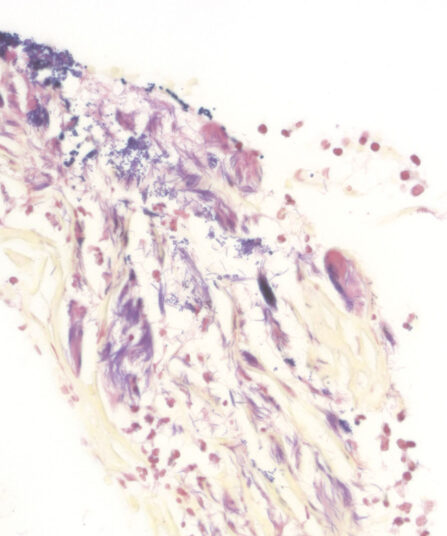
Five-reagent kit for identification of bacteria according to Gram. For differentiation between Gram-positive and Gram-negative bacteria in histology sections.
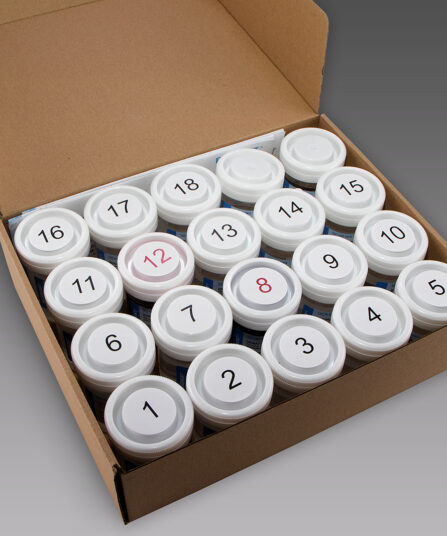
HE Rapid Staining kit- frozen and paraffin sections
Ready-to-use eight-reagent kit (in 16 containers that can be used as staining jars) for rapid HE staining of frozen and paraffin tissue sections in histopathology. Contains xylene substitute as clearing agent and xylene substitute-based medium for permanent section covering.
For 100 tests.
Stain Kits
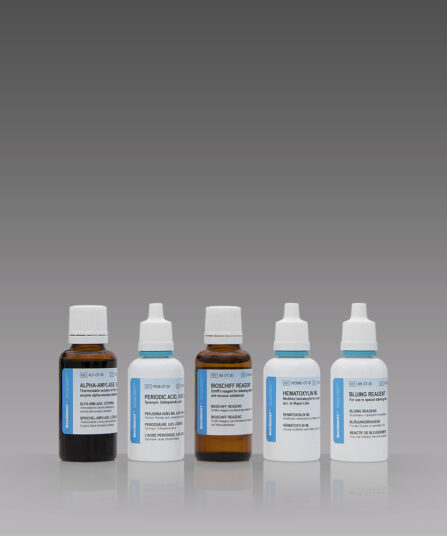
P.A.S. Diastase Kit
BioGnost’s P.A.S. Diastase kit is most commonly used for identifying glycogen in liver. Periodic acid enables the molecules containing glycol groups to create aldehydes affected by Schiff’s reagent staining them violet (magenta). Specific stains are created by applying the PAS method on unsubsti-tuted polysaccharides, mucoproteins and glycoproteins, glycolipids and phospholipids. Alpha-amylase enzyme (also known as diastasis) is used for differentiation between glycogen and other PAS-positive structures by dissolving 1→4 glycosidic bonds, causing the glycogen to remain unstained after the PAS reaction. BioGnost’s P.A.S. Diastase kit uses thermostable enzyme which does not require heating to +37°C to be active, but incubat-ing the section at +37°C is preferred in order to achieve better glycogen breakdown. The same tissue section is used as negative control for this reaction, but the sample is not treated using alpha-amylase.
For 100 tests.