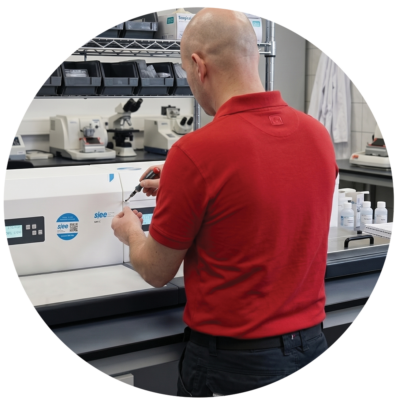
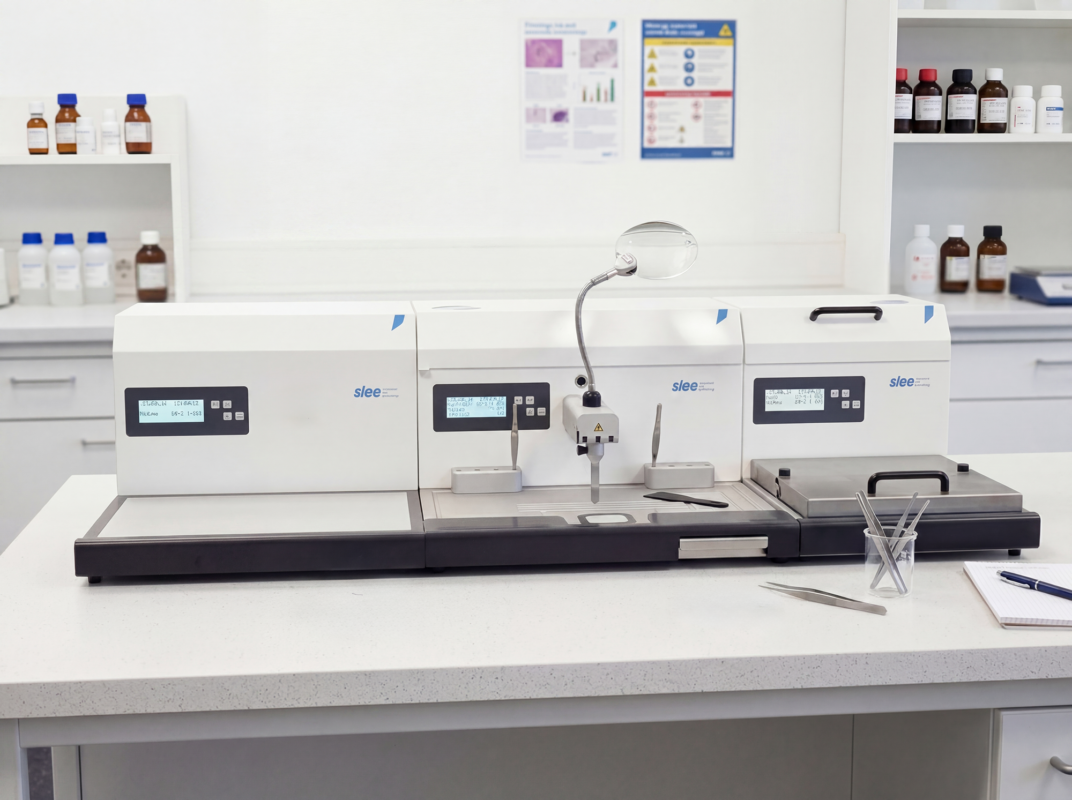
In modern histology laboratories, embedding centres play a critical role in preparing tissue samples efficiently and accurately. While many manufacturers offer embedding systems, SLEE stands out for its distinctive approach to design, usability and workflow optimisation. Rather than focusing solely on automation, SLEE prioritises flexibility, ergonomics and high-throughput performance—key factors that directly impact laboratory productivity.
User-focused design + Modular flexibility + High capacity
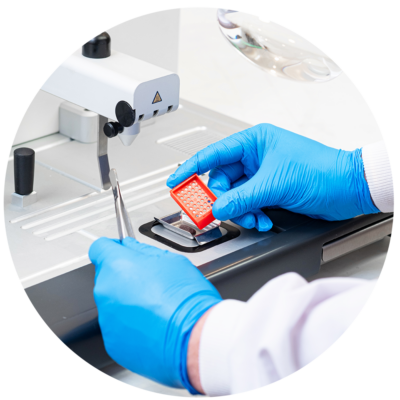
Strong Emphasis on Ergonomics
SLEE places a notable emphasis on user comfort, which is often overlooked in competing systems. Embedding is a repetitive and detail-oriented task, and poor ergonomics can lead to fatigue and decreased productivity.
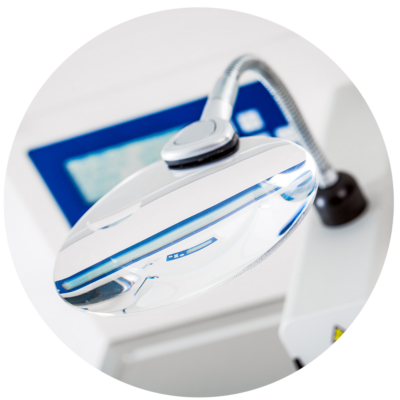
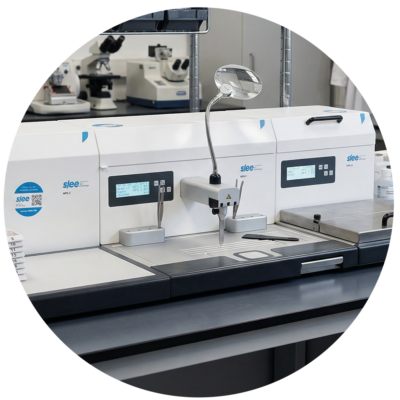
To address this, SLEE embedding centres incorporate features such as elevated working areas, adjustable magnifiers, heated wrist rests and strategically placed tool holders. These enhancements reduce strain on technicians, enabling them to work more comfortably and maintain precision over longer periods. The result is not only improved productivity but also a reduction in human error.
High Paraffin Capacity for Continuous Operation
Another area where SLEE excels is paraffin capacity. With larger reservoirs than many competitors, SLEE systems require less frequent refilling. This is particularly beneficial in high-throughput laboratories, where interruptions can slow down the entire workflow.
By minimising downtime, laboratories can maintain a steady pace of work, improving turnaround times and overall efficiency.
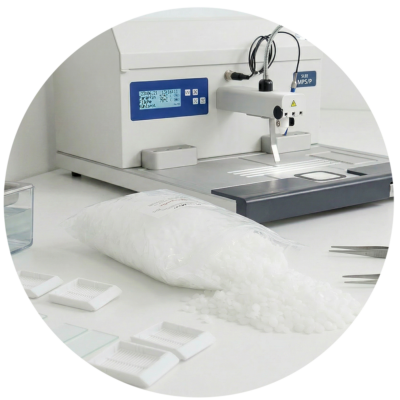
Integrated Magnification and Illumination
SLEE systems combine adjustable magnifiers with integrated LED illumination directly on the workstation. This enables technicians to accurately orient small or delicate tissue samples while maintaining clear, shadow-free visibility.
The magnifiers are fully adjustable and can be repositioned easily during use, while the LED lighting is designed to provide consistent, targeted illumination across the working area. Together, these features reduce eye strain, improve precision and support sustained productivity during repetitive tasks.
Electrically Heated Forceps
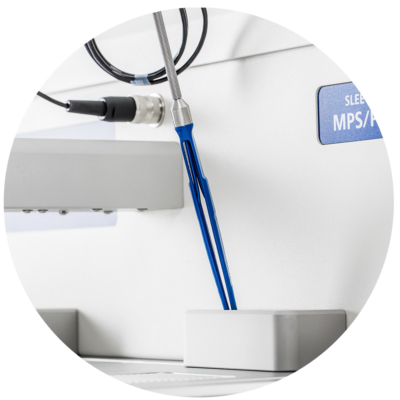
SLEE offers electrically heated forceps in different sizes, which can be connected directly to the embedding centre. These prevent paraffin from solidifying on contact, allowing smoother tissue manipulation and more precise placement. This reduces artefacts and improves first-time embedding accuracy.
Cold Plate Options (Compact and High-Capacity)
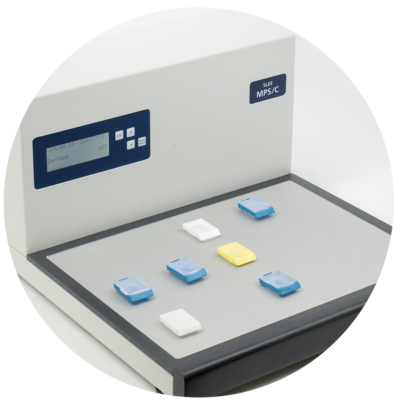
SLEE provides multiple cooling configurations depending on laboratory needs. Compact systems include integrated cooling spots for routine work, while modular systems offer larger standalone cold plates capable of handling high sample volumes. This flexibility allows laboratories to scale their workflow effectively.
Large Capacity for Moulds and Cassettes
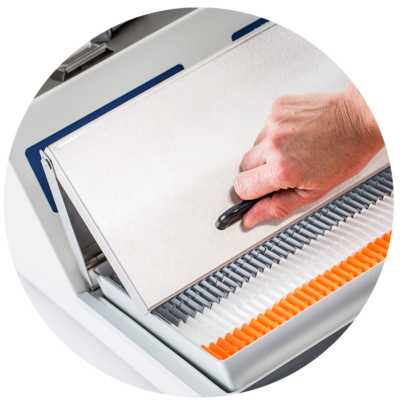
Efficiency in a histology laboratory is closely tied to how many samples can be processed at once. SLEE systems support high volumes by offering large-capacity pre-warmers capable of holding hundreds of cassettes and moulds simultaneously.
This makes them particularly suitable for busy laboratories handling large sample loads, as it enables continuous processing without frequent reloading.
Engineering Quality and Reliability
SLEE embedding centres are known for their robust construction and precision engineering. Designed as part of a broader histology equipment ecosystem, they integrate well with other laboratory instruments, contributing to a cohesive and reliable workflow.
Durability and consistency are key advantages, particularly in environments where equipment is used continuously.
UK-Based Service, Maintenance and Technical Support
All SLEE systems are supported by Solmedia’s UK-based, factory-trained engineers who provide comprehensive service and maintenance. Preventative maintenance programmes help minimise the risk of breakdowns, although the need for intervention is already low due to the high quality of engineering and build.
Technical support is available at every stage of the process—from pre-installation planning and advice, through installation and training, to ongoing after-sales support. This ensures laboratories can operate with confidence, maintain uptime and quickly resolve any technical issues should they arise.