
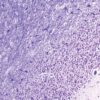

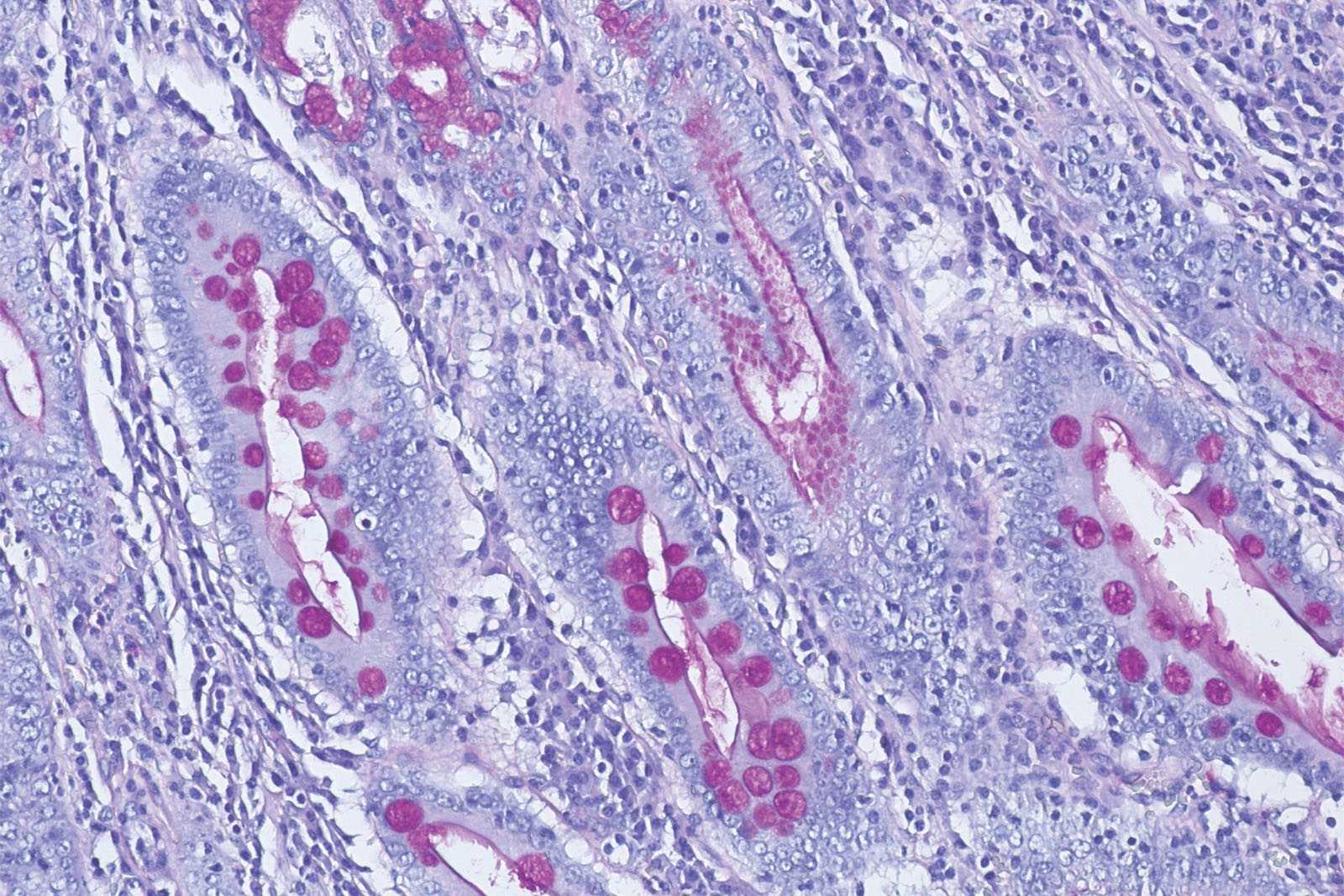
One of the most frequently used chemical methods in histology is P.A.S. staining. The P.A.S. staining is based on the oxidation reaction with the presence of periodic acid and Schiff’s reagent. Periodic acid makes the molecules containing glycol groups create aldehydes affected by Schiff’s reagent that stains them violet (magenta). This method is most commonly used in liver and muscle cells testing. Specific stains are created by applying P.A.S. method on unsubstituted polysaccharides, mucoproteins and glycoproteins, glycolipids and phospholipids. Combined with Alcian Blue, it can detect acid mucosubstances (glycosaminoglycans).
P.A.S. kit
Five-reagent Periodic Acid-Schiff kit for staining aldehydes, muccopolysaccharides, mucoproteins and lymphocytes according to Hotchkiss-McManus. P.A.S. staining may also be used for the demonstration of fungal organisms in tissue sections.
Description
Additional information
| Size | |
|---|---|
| Brand | |
| Stain pack | |
| Stain Category | Carbohydrates |
Downloads
Related products
Stain Kits
Warthin Starry kit
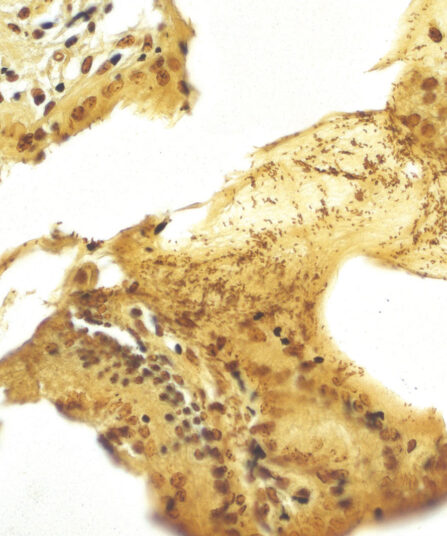
Five-reagent kit for staining Spirochaeta, Helicobacter pylori, Microsporidia and Legionella pneumophila. The kit contains 12 jars with gelatine that enables both incubation and staining of sections, as well as other reagents that enable precipitation of silver on the bacterial surface. The bacteria are found in the mucus of the surface epithelium, in the apical gastric glands and in the gastric mucosa.
Stain Kits
Elastica-Van Gieson kit
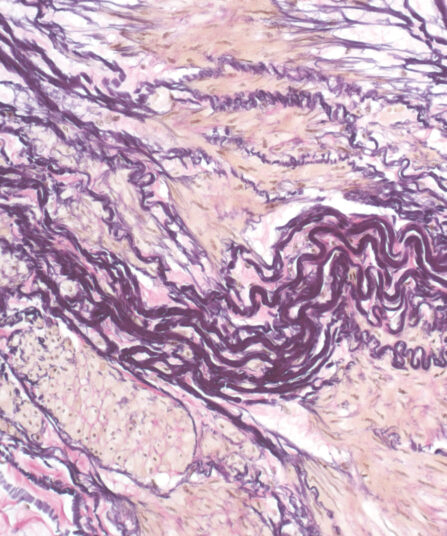
Four-reagent kit for staining elastic fibres and differentiation between elastic tissue, collagen and other types of connective tissue. The rapid method enables a satisfactory result with shorter section staining time.
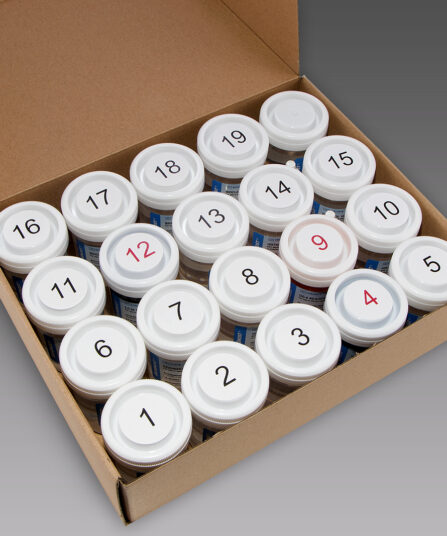
Papanicolaou Rapid Staining Kit, for 100 Tests
Ready-to-use eight-reagent kit (in 18 containers that can be used as staining jars) for rapid progressive gynecology and non-gynecology cytological samples. Contains xylene substitute as clearing agent and xylene substitute-based medium for permanent covering of samples.
PAP-100T for 100 tests
Stain Kits
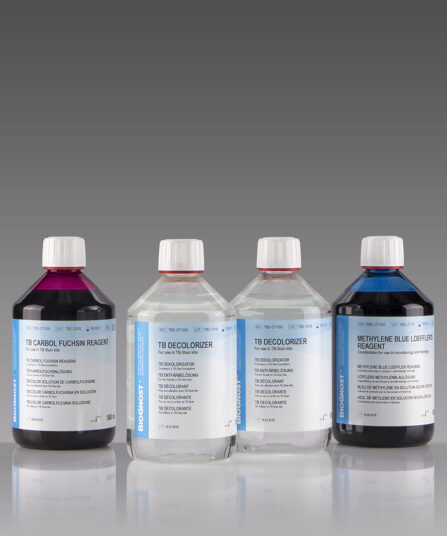
TB-Stain Hot Kit
Three-reagent kit for staining acid-fast bacteria. Contains TB Carbol Fuchsin reagent, double amount of TB Decolorizer and Methylene Blue Loeffler’s reagent as counterstain.
4 x 100ml bottles.
Stain Kits
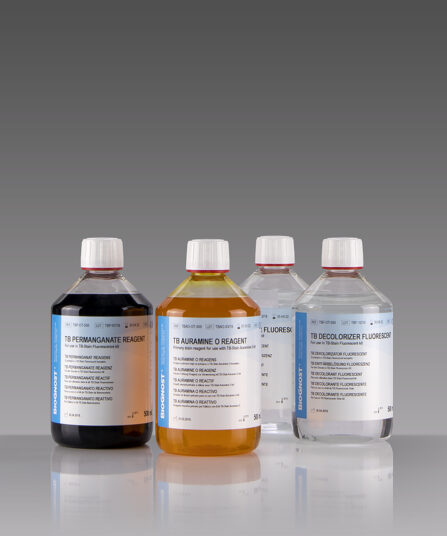
TB-Stain Auramine O Kit
Three-reagent kit for staining acid-fast bacteria using fluorescence method. Contains TB Auramine O reagent, double amount of TB Decolorizer Fluorescent and counterstain of TB Permanganate reagent.
4 x 100ml bottles.
Stain Kits
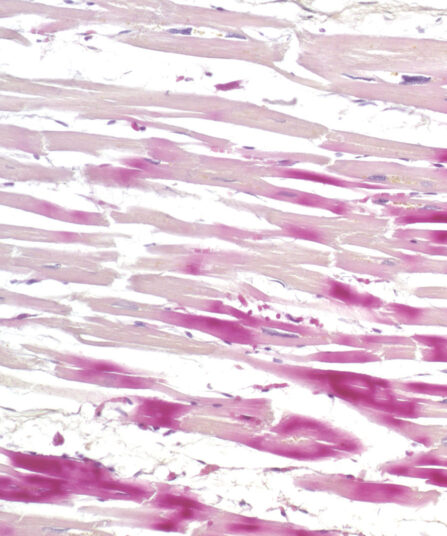
H.B.F.P. kit
Three-reagent Hematoxylin-Basic Fuchsin-Picric acid staining kit for detection of cardiac muscle changes after ischemia or myocardial infarction. H.B.F.P. kit is a non-enzymatic histochemical technique for detection of early myocardial ischemia with vivid contrast.
Stain Kits
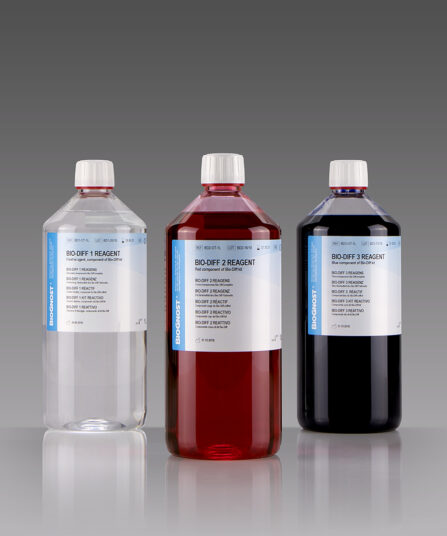
Bio-Diff Kit 3 X 1L
Three-reagent kit that contains fixative agent, red and blue components for fast and effective staining. Each kit contains buffer tablets for consistent staining results.
3×100 ml bottles
Stain Kits
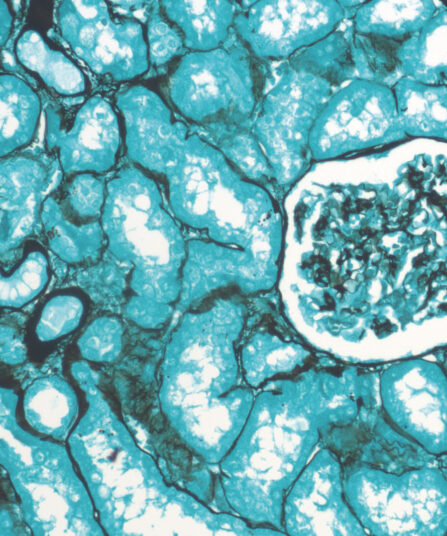
Grocott kit, stabilised
Seven-reagent kit for visualization of fungi and histological argentaffin structures in general (such as basal membranes). Green counterstain provides clear and visually rich contrast to target structures stained black.